Your electrical panel sends power to your whole home. When it gets old or too small, problems show up. Lights may flicker, and breakers may trip a lot. If you feel worried, that is normal. Still, a panel upgrade can go well when you follow a plan. In this guide, you will learn six steps to keep work on track. You will also learn what to expect on install day. That way, you do not guess what happens next here. Also, you can plan for the outage and keep calm. A&E Construction Group offers painter & decorators, plumbing, and general contracting work. So we can handle patching, repainting, and small site fixes, while a licensed electrician handles the electrical work.
Spot Electrical Panel Warning Signs Early
First, watch for clues that your panel cannot keep up. If breakers trip often, your circuits may be overloaded. Also, if the lights dim when the AC starts, your system may strain. You may see rust, heat marks, or a hot smell near the panel. If you still have a fuse box, you likely need an upgrade soon. In many homes, older service sizes were 60 or 100 amps. However, homes today use more power for chargers and home offices. Then the old setup may run out of room for new circuits.
That matters because loose or stressed wiring can raise fire risk. In fact, U.S. fire data tracks many residential fires tied to electrical malfunctions each year. For 2023, USFA reports about 23,700 such fires. It also reports about $1.5 billion in damage. Quick signs to check today are below.
- Breakers trip more than once a week.
- You hear buzzing near the panel.
- The panel feels warm to the touch.
- You see burn marks near breakers.
- You see two wires in one breaker.
- You have no open breaker spaces.
That way, if you spot these signs early, you can plan instead of rushing.
List Home Electrical Loads To Choose Panel Size
Next, list the big items that use power in your home. This list helps the electrician choose the right service size. For example, central AC, electric dryers, and ranges can pull a lot. Also, EV chargers and hot tubs can pull a lot. Many newer homes use 200-amp service as a common standard. However, some homes may need less, while others may need more. Because of that, a load check is key. It adds up your expected use and checks your main limit.
Then it helps you avoid a panel that feels tight again soon. It can also reduce extra costs later, since the plan fits your needs. Use this simple list to start.
- Cooling and heating equipment.
- Kitchen and laundry machines.
- Water heater type and size.
- Garage tools and shop gear.
- Future plans, like a remodel.
Also, tell the electrician about solar or a generator. Then they can plan space for it.
Handle Permits And Utility Scheduling To Avoid Delays
Then, handle the paperwork and timing before the workday. In most places, a panel upgrade needs a permit and an inspection. So, a local inspector checks the work before final sign-off. The utility company may also need to shut the power off at the meter. That step can affect your date, so plan it early. Many upgrades take a few hours without power, depending on your setup. So charge phones, save computer work, and plan meals. Also, talk about medical devices if you use them. Permit records can also help during a home sale, since they show approved work. Ask these questions before the start.
- Who pulls the permit, and when.
- How long will the outage last?
- When should the inspection happen?
- What the utility needs to reconnect.
So when you line these up early, you cut down on delays.
Choose Electrical Components That Pass Inspection
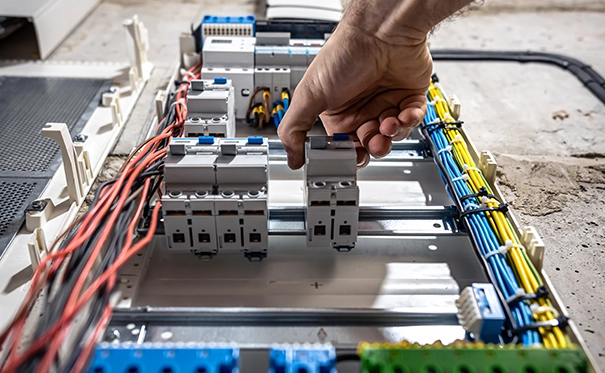
After that, talk about the parts that go into the new panel. The panel must match the breakers made for it. So the electrician uses the right brand and type. Also, many homes now need safety breakers in certain areas. GFCI helps protect people from shock. AFCI helps reduce fire risk from wiring sparks inside walls. Local rules often require these in many rooms, especially on 120-volt circuits. So the right breaker plan can help you pass inspection faster. Safety upgrades you may want are below.
- A whole-home surge protector.
- AFCI or GFCI breakers where rules require them.
- A clear main shutoff label.
- A check of grounding and bonding.
You can also ask for a few spare spaces. Then you have room for future circuits.
Prepare The Work Area Before Panel Installation
Now, set up the space so the crew can work safely. First, clear boxes and stored items near the panel. Then make sure the area has good light and clear floor space. Many local rules also expect clear space in front of the panel. So keep shelves or closets away from that space. Also, keep pets away from the work area, since doors may stay open.
Because the power will be off, plan for your fridge and freezer. You can keep doors closed to hold cold longer. Also, unplug computers and TVs, since power can jump back on at any time. Prep steps that often help are below.
- Take photos of the old breaker list.
- Mark the fridge and internet breakers.
- Keep keys ready for gates and sheds.
- Set aside a clear path for tools.
A&E Construction Group can patch and repaint after the work. So the wall area can look neat again.
Finish With Thorough Panel Testing And Labeling
Finally, make sure the job ends with checks and clear notes. The electrician should test key circuits and confirm tight connections. Then they should label each breaker in plain words. Good labels save time during repairs and upgrades. Also, they help during emergencies, since you can shut off the right circuit fast.
This step matters for safety, too. NFPA reports serious fire losses linked to electrical issues in homes. So a clean finish supports safer daily use and fewer return visits. Final checks to request are below.
- Test kitchen, bath, and outdoor outlets.
- Test GFCI and AFCI trips as needed.
- Verify smoke alarms still have power.
- Get the inspection approval record.
If you plan to sell later, keep the permit record. Then buyers can see the work was approved.
Key Takeaways For A Smooth Panel Upgrade
A panel upgrade feels easier when you take it step by step. So start by spotting warning signs and listing your home loads. Then line up permits, timing, and the right safety parts. After that, prep the site and ask for testing and labels. A&E Construction Group offers painter & decorators, plumbing, and general contracting work. So we can help keep the project tidy, including patching and repainting around the panel. Call A&E Construction Group today to schedule a visit and a clear plan. Then you can move forward with fewer delays and fewer surprises.